

Mammograms remain top tool in early breast cancer detection
Though about 1 in 8 women will be diagnosed with breast cancer, outcomes are excellent with early detection and risk reduction, a Powers Health surgeon writes.

Provided
Breast cancer is one of the most common cancers affecting women in the United States. About 1 in 8 women will be diagnosed in her lifetime. Those numbers can feel alarming, but there also is real hope: When breast cancer is found early, treatment is often simpler with excellent outcomes. Early detection and smart risk-reduction steps save lives.
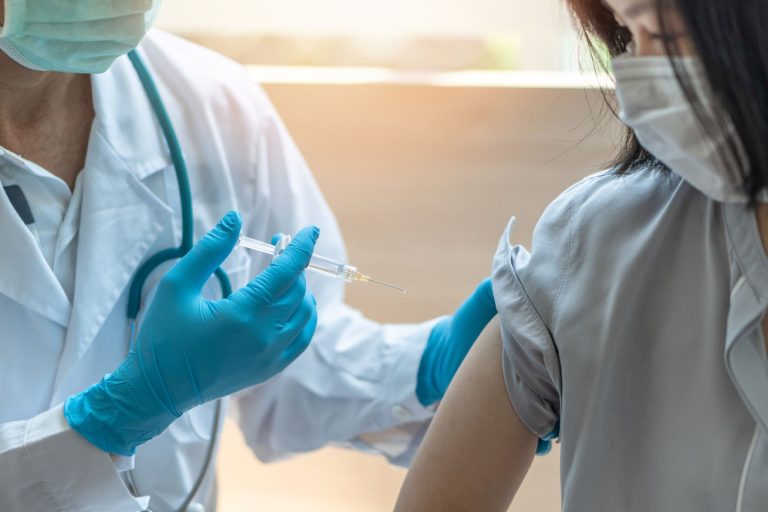
That is why mammograms matter. A mammogram can spot changes in the breast years before a lump can be felt on an exam, often when the cancer is small and easier to treat. When breast cancer is detected early, treatment is typically less invasive and survival rates are significantly higher. The five-year survival rate for breast cancer found at an early stage tops 99%, according to studies by the American Cancer Society.
For most women at average risk, annual mammograms are recommended starting at age 40. If you have a higher risk — such as a family history of breast or ovarian cancer, a known genetic mutation such as BRCA1 or BRCA2 or a history of chest radiation — you may need to begin screening earlier or add other tools, including breast MRI. The best approach is a personalized plan based on your medical history and risk factors, ideally discussed with a breast specialist. Risk-reducing breast surgery with prophylactic mastectomy is also an option for select high-risk patients.
Even with clear benefits, many women put off mammograms because of fear, discomfort or misconceptions. It may help to know that modern mammography uses low-dose radiation, and while breast compression can be uncomfortable, it only lasts a few seconds. The short-term inconvenience is small compared to the potential benefit of catching cancer early — when it is most treatable. Making mammograms part of your routine health care is one of the most important steps you can take for your long-term well-being.
Prevention and risk reduction also play a meaningful role. Some factors, such as age, genetics and family history, cannot be changed. But lifestyle choices can make a difference.
Maintaining a healthy weight is especially important after menopause. Excess body fat can increase estrogen levels, which may fuel certain types of breast cancer. Regular physical activity helps, too. Aim for at least 150 minutes of moderate exercise each week, which supports overall health and has been shown to lower breast cancer risk.
Alcohol is another consideration. Even small amounts can raise breast cancer risk, so moderation is encouraged. A balanced diet rich in fruits, vegetables, whole grains and lean proteins supports overall wellness and may contribute to cancer prevention.
For women at increased risk, additional options may be appropriate. These can include closer surveillance, medications that reduce risk or, in certain situations, preventive surgery. These are personal decisions, and it is important to review the benefits and trade-offs with a specialist who can guide you through your choices.
Breast cancer screening and prevention are not one-size-fits-all. The most important steps are staying informed and being proactive. By keeping up with mammograms and building healthy habits, women can improve the chances of early detection — and may even lower the risk of developing breast cancer.
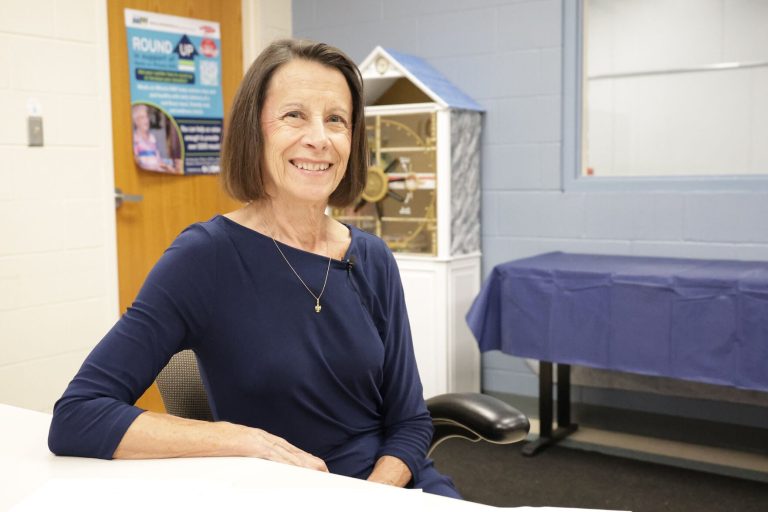
Dr. Raquel Gonzalez Heredia, MD, PhD, is a board-certified, fellowship-trained breast surgeon at Powers Health in Munster. For more information about the services offered at Powers Health, visit PowersHealth.org.