The pros and cons of intermittent fasting


There are a lot of fasting methods to consider. Different variations may involve fasting for a stretch of hours throughout the day or even occasionally skipping meals for an entire day at a time. Finding the approach that works best for you boils down to your individual schedule, lifestyle, eating preferences and health requirements.
Not so fast
Be prepared to face a few mental challenges along the way. When you get hungry — and you will — be ready with some distractions or encouraging self-talk. During any fast, it’s important to stay well hydrated by drinking plenty of water, juices, tea and other low-calorie beverages. (Avoid coffee, diet sodas and alcohol as they can be dehydrating.)
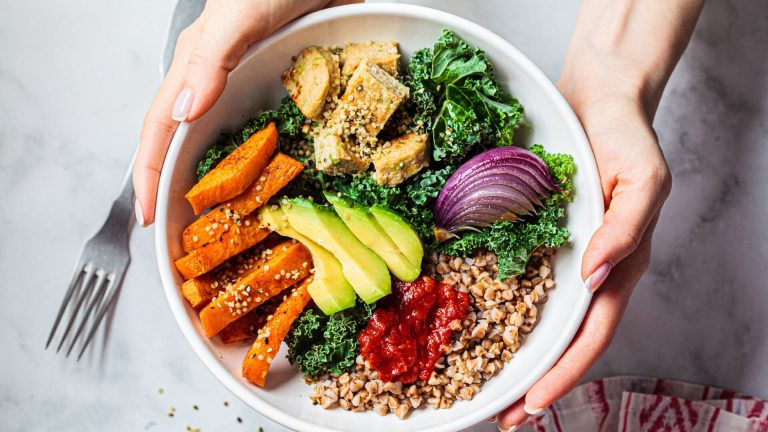
Keep in mind, intermittent fasting isn’t an open invitation to consume anything and everything in the hours you’re able to eat. Breaking your fast by loading up on processed junk food and unhealthy choices will undo all the progress you’ve made. Whether you’re fasting or not, opt for lean proteins, whole grains, fruits, vegetables and healthy fats as much as possible for optimal wellness.
Health benefits of fasting
Many people fast to jump-start a diet or weight loss program, but some research shows that periodically restricting your food intake may also help to improve blood pressure, lower your resting heart rate, manage insulin levels and sharpen mental acuity. And because you’re not just snacking all the time or out of habit, intermittent fasting can also make the process of eating more mindful.
Children and teens, pregnant people, Type 1 diabetics and those with eating disorders are not advised to fast. However, if you’re otherwise healthy and want to give it a try, see your doctor for a consultation to discuss all the positive and negative implications. Fasting isn’t a quick fix for weight loss, either.
Know going in that it can take a few weeks to start seeing and feeling results. And remember, it is possible to get too much of a good thing. There’s a big difference between intermittently fasting and starving yourself. Going too long without food can be counterproductive to your health, and even potentially dangerous.