Back in the 1960s and 1970s, psychedelic drugs like LSD and magic mushrooms were part of the counterculture, popular with musical groups like the Grateful Dead, who credit them with generating creative inspiration through altered levels of consciousness. In some cultures, psychedelic substances like ayahuasca and peyote are included as part of religious ceremonies or spiritual practices.
Far-out pharmaceuticals: The latest research, laws on psychedelics as medicine
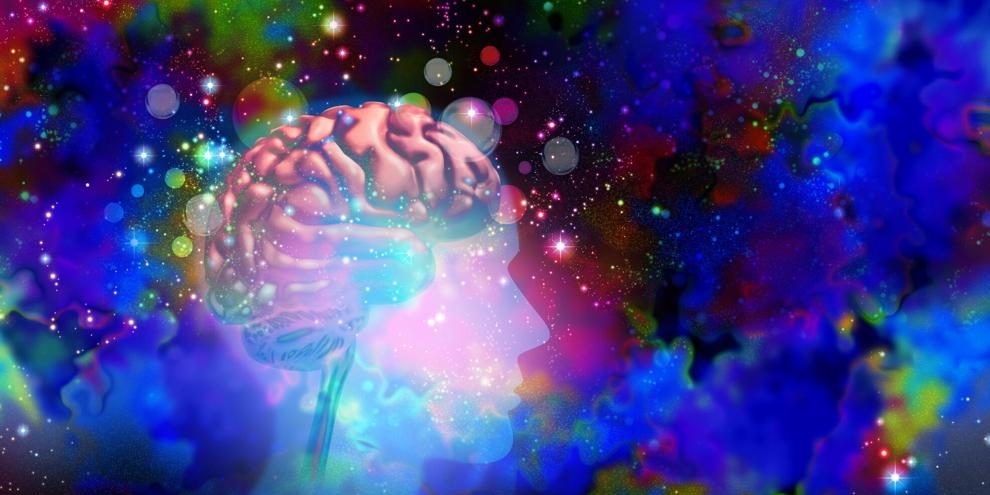
These days, psychedelics are coming out of the closet and into the mainstream, even demonstrating some potential medical benefits in the treatment of mental health disorders like depression, addiction, post-traumatic stress and generalized anxiety. Here’s what you need to know.
Too groovy to be true?
Although there are still people who use them recreationally, modern psychedelics aren’t just for getting high anymore. Psychedelics can be either synthetically produced (PCP, ketamine and MDMA) or derived from natural compounds in specific fungi or plants (LSD, peyote, salvia and psilocybin). Also known as hallucinogens, this class of drugs works by creating changes in the user’s perception of reality, thoughts and mood by disrupting message-carrying neurotransmitters in the brain.
For instance, users may think that they see, hear or feel things that aren’t there while taking psychedelics, or “tripping.” Some people experience bad or even frightening hallucinations, paranoia and psychosis under the influence that can lead to dangerous and even life-threatening behaviors. And there’s always the possibility of abuse, dependency and overdosing.
Because psychedelics are still generally classified as illegal Schedule I drugs (several American states, cities and jurisdictions have decriminalized psilocybin mushrooms for medical or recreational use), official information is still limited. Any legitimate guidelines about psychedelic usage are few and far between, bringing up questions of ethics for prescribers and providers.
Is there an upside?
Under controlled circumstances, research suggests certain psychedelics may prove helpful to some patients if administered under supervision and at an appropriate dosage.
Psychedelic drugs, like LSD and psilocybin mushrooms, target serotonin in the brain, and at certain doses may alter thought patterns, mood and perceptions of reality, according to the National Institute on Drug Abuse (NIDA). In a medical context, research suggests these drugs may offer some benefit in the treatment of substance-use disorders, migraine and cluster headaches, OCD and other conditions. The NIDA conducts and supports research on these drugs.
MDMA, commonly known as ecstasy or molly, influences the activity of at least three neurotransmitters in the brain that strongly influence mood and behavior: dopamine, norepinephrine and serotonin. Research indicates pharmaceutical grade MDMA may help treat PTSD, eating disorders, anxiety and other conditions when used under medical direction. Though the FDA has not approved MDMA as a treatment for any condition, they have designated MDMA as a “breakthrough therapy” to expedite research in this area.
Though the U.S. Food and Drug Administration in 2024 declined to approve the first application for therapeutic use of MDMA to treat post-traumatic stress disorder, advocacy from proponents and research are ongoing. It’s important to note that while some psychedelic drugs may offer health benefits in specific situations, much more research is needed to reach definitive conclusions about just how safe and effective they really are. Talk to your doctor before taking any psychedelic substance, as there may be risks you’re not aware of.