
Whether you’re an exercise newbie or a devoted gym rat, many people tend to focus exclusively on cardiovascular exercise in their quest to get and stay in shape. But if you’re not throwing in a little strength training, you may be missing a critical piece of the puzzle.
Cardio + strength training = the ideal workout combination

Here’s an explanation of why strength training is so important, and how much of each component it might take to add up to the perfect workout.
Move it and lose it
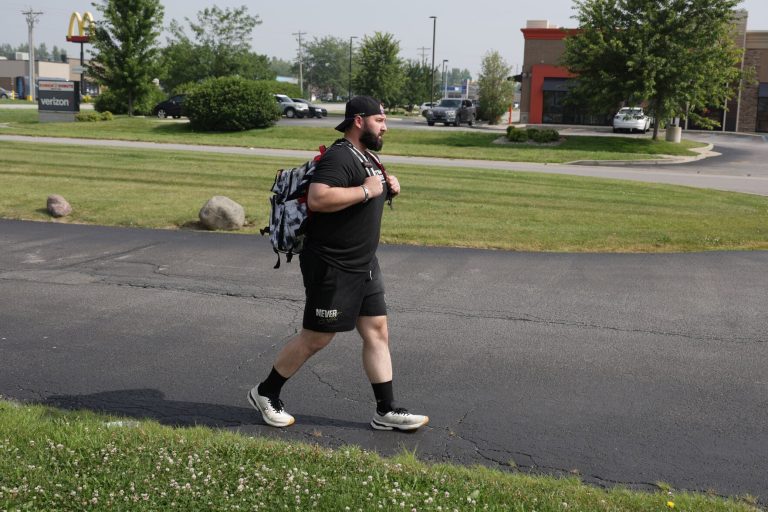
Any aerobic activity that raises your heart rate and gets your blood pumping can be considered cardiovascular exercise, from running, cycling and pickleball to swimming, basketball and power yoga. Getting your body up and moving on a consistent basis offers a wide variety of health benefits — burning excess fat, improving heart and lung function, strengthening your immune system and even boosting your mood, to name just a few.
The U.S. Centers for Disease Control and Prevention recommends adults aim to get 150 minutes of moderate-intensity physical activity on a weekly basis (that’s five brisk 30-minute walks) to reap the most health advantages.
Find your strong suit
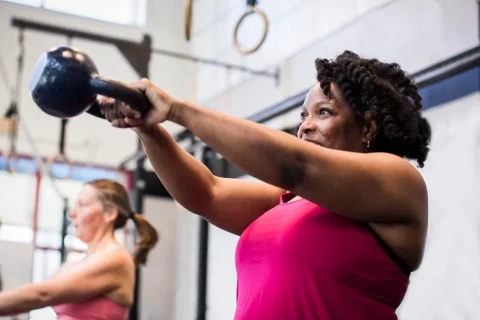
Strength training brings its own benefits to the party, and it’s much easier to incorporate into your fitness regimen than you might think. Strengthening your muscles is key to maintaining good physical function, especially as muscle mass and bone density begin to decline with age. Strength training also helps you burn fat and calories more efficiently and tones your body, sculpting muscle definition that leaves you looking lean and mean.
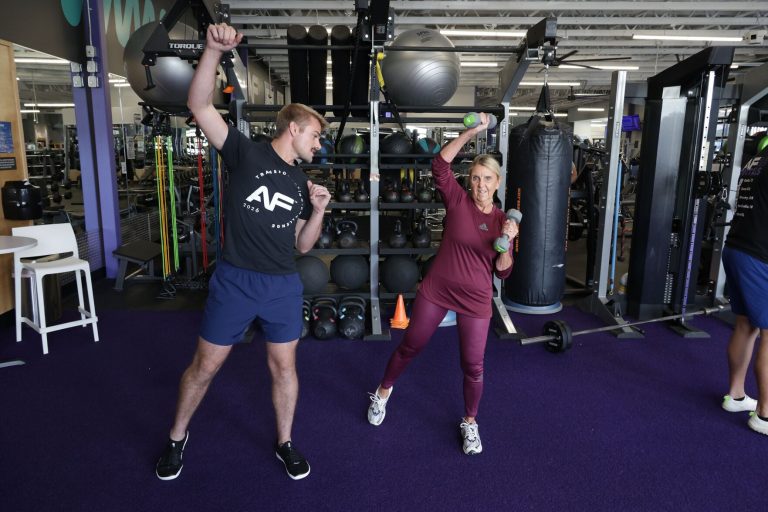
A strength-training session consists of repeating a weight-bearing motion a certain number of times to target specific muscle groups like your arms, legs or abs. Most gyms and workout facilities have weight machines for circuit training, as well as handheld free weights. If you’re new to the strength-training game, however, getting started can be a little intimidating. Ask for a personal training session to learn how to use the equipment that’s most appropriate for your needs. Certified fitness professionals are always happy to work with you on a plan to achieve your fitness goals and can demonstrate the correct form to follow to make sure you’re getting the best results.
Fancy machinery isn’t required for strength training. It’s entirely possible to perform a full cadre of moves like planks, squats, crunches, pushups and lunges using just your own body weight as resistance.
Finding the right formula
Tackling the cardio portion of your workout first warms up muscles, lessening your chances of strain and injury. Then, add in a couple of 20- to 30-minute strength training sessions per week, allowing a few days in between to give your body time to recover. Start out slowly and increase weights and reps as you gain strength and stamina.