
Get Healthy: Carol Slager: Orange cauliflower, broccolini and more make the veggie portion of your plate sing
Orange, purple and green cauliflower and broccolini pack all the benefits of their traditional cousins while adding flare and flavor.
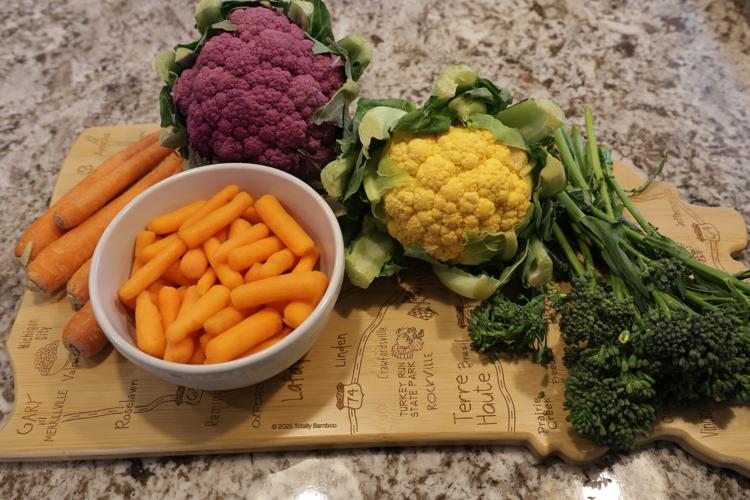
Tony V. Martin, The Times
When I was growing up, cauliflower came in only one color: White.
When this vile vegetable showed up on my plate, it was consistently boiled far beyond tender and I was not a fan. Fast forward several decades and we now have purple, orange and green versions.
While I've tried several ways of preparing the white variety of cauliflower, I have discovered that I actually enjoy eating the other colors. And the color variations are not some chemical wizardry; these beautiful hues happen naturally through selective breeding.
Orange cauliflower
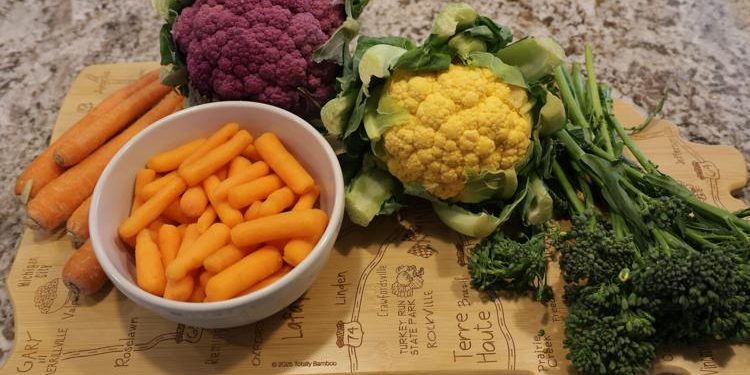
Orange cauliflower gets its color from beta-carotene (a natural pigment and antioxidant that makes carrots orange). Flavor-wise, it's still classic cauliflower only sweeter and richer. It's a great choice for roasting because the color stays vibrant and roasting brings out that gentle sweetness. Quick steaming or microwaving also works well if you want to keep nutrients in and avoid the mushy zone.
Purple and green cauliflower
Purple cauliflower gets its deep color from anthocyanins, the same purple-blue pigments found in blueberries, purple grapes and red cabbage. Taste is mild and perhaps a bit sweeter. But the purple can fade or shift in cooking, especially with lots of water. To keep it looking its best, use dry-heat methods such as roasting, air-frying, grilling or sauteing. If you do steam it, keep it brief. A squeeze of lemon during cooking can help brighten the color.
Green cauliflower (often sold as broccoflower) gets its color from chlorophyll, the same pigment in plants. It tastes like a gentle blend of cauliflower with a hint of broccoli and has a mild sweetness. To keep the green looking fresh, quick cook it to prevent dulling. Steaming or microwaving keeps it bright, and roasting enhances its natural sweetness.
You can use any color cauliflower in place of white, since taste differences are very subtle. All cauliflower colors bring the baseline perks: Fiber, vitamin C and those natural cruciferous plant compounds that support overall health. The colored varieties simply add a little bonus from their pigments.
Have some fun and be creative. Use orange cauliflower where you want a warm, "cheesy" look, purple for a wow-factor veggie tray or salad and green to make grain bowls, stir-fries or roasted veggie mixes look extra fresh and vibrant.
Cabbage, broccoli, broccolini and carrots
Green cabbage and red cabbage are in the same cruciferous vegetable family as cauliflower and broccoli. Like cauliflower, the green in cabbage is from chlorophyll. It has a mildly peppery flavor mellowed by cooking. Use this variety when you are making cabbage rolls, soups, stews, stir-fries and classic slaw. The red is a different variety that naturally makes more anthocyanins. It has a slightly sweeter and more robust flavor than green cabbage. Use it raw in salads, slaws and tacos for a strong crunch and great color. Braise or pickle it for a tangy, jewel-toned topping.
Broccoli and broccolini are close cousins, but surprisingly, they're not the same vegetable. Broccoli is the classic one with a thick stalk and a big, rounded head of florets. Broccolini (sometimes called "baby broccoli") is a broccoli hybrid that's grown to have long, thin, tender stems and smaller florets. Flavor-wise, broccoli is mild with a slight bite while broccolini tends to be a little sweeter and more delicate. In the kitchen, broccoli is great roasted, steamed or stir-fried, however the thick stems take longer to cook tender. Broccolini cooks more quickly, and it's delicious sauteed, roasted, grilled or stir-fried because the stems are meant to be eaten and usually cook up tender fast.
When I was a kid, the only carrots on my plate were sliced from full-size carrots. "Baby carrots" weren't a thing yet. Since I started wondering whether Mother Nature had been holding out on us, I did a little research. They are not immature carrots. A California carrot farmer, Mike Yurosek, figured out how to turn misshapen or oversized carrots into uniform "baby-cut" carrots by cutting, peeling and shaping them. He did this to reduce waste from his harvest. Baby carrots took off in U.S. grocery stores in the late 1980s and have been a common grab-and-go produce item since. One common myth is that they're soaked in bleach. In reality, they're rinsed in food-safe chlorinated water, a standard practice used to help reduce the spread of pathogens (similar to what's used for many produce items). Nutritionally, they're very similar to regular carrots though baby-cut carrots can have slightly less fiber because the peel has been removed.
More color usually means more variety in plant compounds and more fun on your plate. Whether you try purple cauliflower or green "broccoflower," small changes like these keep healthy eating fresh, simple and doable.
Carol Slager is a licensed pharmacist, author, blogger and health coach in Northwest Indiana. Follow her monthly in Get Healthy and at inkwellcoaching.com. Opinions expressed are the writer's.