

Get Healthy: Carol Slager: Proper pairings when storing fruits and veggies can keep them fresher and tastier longer
Understanding which fruits and vegetables store well together and which ones do not can help cut down on waste.
It's easy for me to spend a good amount of time choosing the "just right" produce.
The bananas need to have some green, but not too much. Avocados can give slightly to pressure, but unless I'm using them immediately, I don't want them soft. Pears are usually picked before they're fully ripe and need a little time at room temperature before they're ready to eat. The challenge is enjoying my carefully selected produce before it goes bad. Seems like no matter how hard I try, something gets hidden and I find it too late.
Understanding which fruits and vegetables store well together and which ones do not may help cut down on waste.
Ethylene producers and the ripening trick
Have you ever had some very firm avocados that you needed to ripen sooner than later? Put them in a paper bag with one or two ripe bananas. This will ripen your avocados in 1 to 3 days, depending on how firm they were initially. This works because bananas are potent ethylene producers. Ethylene is a natural gas produced by some fruits and vegetables that speeds ripening. But leaving your avocados and bananas together for too long may result in over-ripening, so it's important to check on them daily.
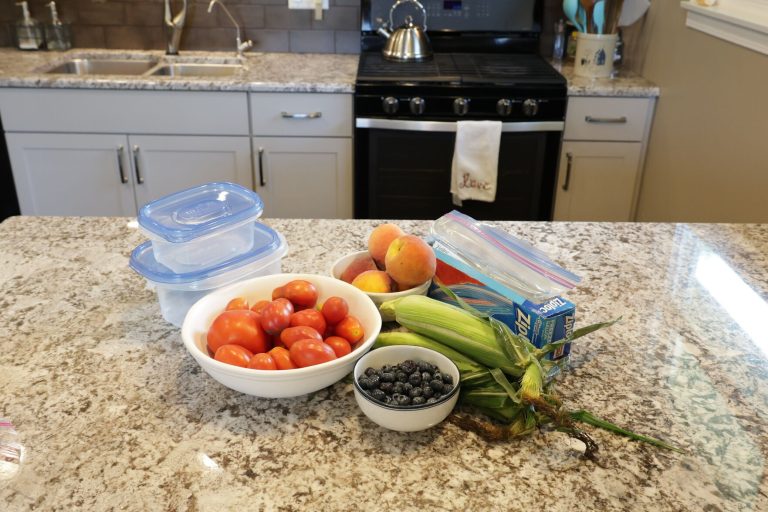
Ethylene-producing fruits (the "ripeners") include bananas, avocados, apples, pears, kiwi, tomatoes, peaches, cantaloupe, plums, mangoes and figs. When you want these fruits to ripen quicker, keep them together. Once they are ripe to your liking, moving them to the refrigerator can help slow further ripening and spoilage.
To keep produce fresher longer, store these fruits away from ethylene-sensitive items (the "sensitive types") such as leafy greens, broccoli, cauliflower, cabbage, cucumbers, peppers, green beans, potatoes, zucchini, carrots, berries and herbs. These are the items most likely to wilt, yellow, soften or spoil sooner when stored near ethylene producers.
Crisper drawers and pantry pairings
Purdue Extension notes that fruits and vegetables are often best stored separately, ideally in different produce drawers, to reduce the effects of ethylene on vegetables. That is one reason many refrigerators come with two crisper drawers. In general, the higher-humidity drawer is best for vegetables, especially leafy greens and anything prone to wilting, because it helps hold in moisture. The lower-humidity drawer is usually better for fruits that do better when the ethylene can escape more easily. In short, vegetables usually prefer more moisture, while fruits tend to like a little less.
Though potatoes and onions like a cool, dark place, storing them side by side can shorten their shelf life. They are better off apart. Potatoes are more likely to grow eyes and possibly rot when bunking with onions. Also, store apples away from onions or the apples may absorb their odor and flavor.
Mushrooms are best stored in the refrigerator in a paper bag or another breathable container. The paper bag helps absorb excess moisture and keeps them from turning slimy too quickly. Sealed plastic bags or airtight containers tend to trap moisture, which shortens mushrooms' life. It is also best to keep mushrooms dry and wash them when you are ready to use. Mushrooms are technically a fungus, not a fruit or vegetable. Because they are quick to absorb odors from stronger-smelling foods, they do better tucked near milder items rather than leftover takeout.
Lemons and other citrus fruits can sit at room temperature for a few days, but for longer storage they do best in the refrigerator. Keeping them in the crisper drawer or in a loose, breathable bag helps them stay fresh. Cut citrus should always be refrigerated to prevent bacterial growth.
Items often best left at room temperature include bananas, tomatoes, pears while ripening, potatoes, onions and garlic. Perishable items such as berries, leafy greens, herbs and any pre-cut produce belong in the refrigerator. The Food and Drug Administration says all pre-cut or packaged produce should be refrigerated.
These produce pairings are not hard and fast kitchen rules, just smart habits that can help your produce last longer and taste better. The simplest approach is to keep fruits with fruits, vegetables with vegetables and potatoes away from onions. A little produce rearranging can mean less waste, better flavor and fewer "why did this go bad so fast?" moments.
Carol Slager is a licensed pharmacist, author, blogger and health coach in Northwest Indiana. Follow her monthly in Get Healthy and at inkwellcoaching.com. Opinions expressed are the writer's.