Ingenuity, inventory team up for tasty meals and savings

No one I’ve ever spoken with finds delight in tossing out food that was once fresh and appealing enough to find its way into your kitchen. Food waste happens to all of us. We have good intentions to make that salad every day, yet somehow the greens wilted and the cucumber now looks like a science experiment. Fortunately, there are ways to minimize waste, eat well and avoid having to clean out scary vegetable bins — all while cutting costs.
When planning your menu and grocery list, first shop your kitchen.
What’s in your fridge, freezer and pantry that needs to get eaten before it’s past its peak?
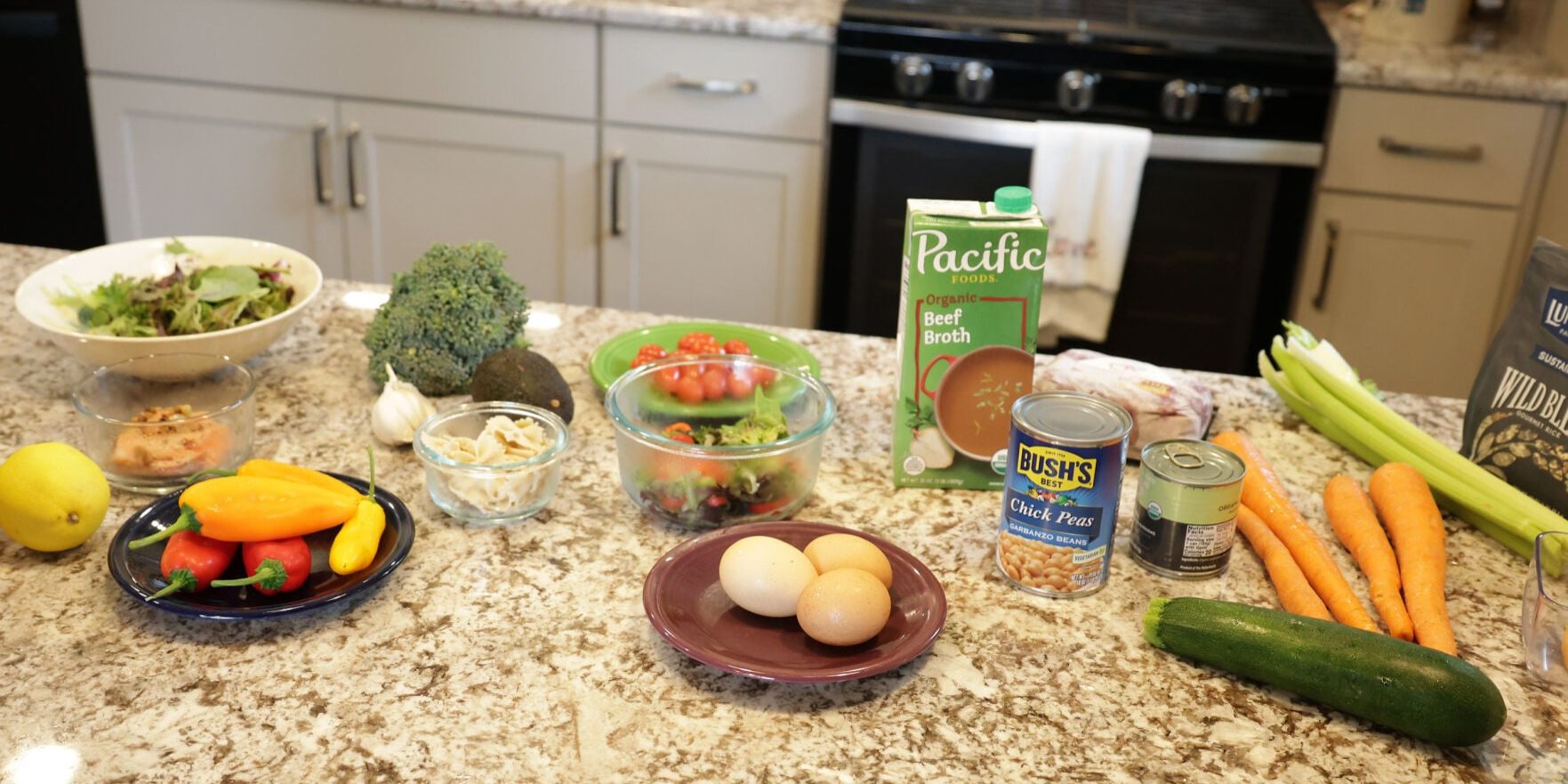
Take note of the ingredients you find, then determine what dish can be made with them. For instance, you may discover a zucchini, partial box of pasta, chicken breast and cherry tomatoes. Sauté the vegetables, add cooked pasta and chicken and finish with olive oil, Parmesan and whatever herbs you have. No fancy sauce necessary.
Or, you have eggs, leftover roasted vegetables and some cheese. That’s a frittata. It’s one of the best and easiest “I have no idea what I’m making for dinner” meals around. You don’t necessarily need a recipe, just a bit of creativity and a simple formula: Protein, a vegetable or two, a starch or grain and something flavorful and you have dinner. The “something flavorful” is important. A squeeze of lemon, a spoonful of pesto, salsa, mustard, a sprinkle of Parmesan, a favorite seasoning blend or a simple vinaigrette can turn a pile of leftovers into something intentional. To make this idea even simpler, open the refrigerator and ask, “What is one thing in here that I need to use before it gets forgotten?” Maybe it’s the half onion, some spinach or leftover roasted squash. Then build a meal around it.
Keeping your refrigerator, freezer and pantry organized can save money. When food is buried behind other food, it’s easy to forget what you have and buy it again. Clear, see-through containers can make a big difference because you can quickly see the rice, nuts, leftovers or frozen foods waiting to be used. Grouping similar items together also helps prevent the “I thought we were out” problem. Before you buy another bottle of mustard, jar of pasta sauce or can of beans, take a quick look at what you have. A few minutes of organizing can keep you from buying duplicates and help make sure the food you paid for gets eaten.
Leftovers don’t have to mean eating the same meal two or three nights in a row. Think of them as ingredients waiting for a second chance. Last night’s roasted chicken can become the protein in a soup, salad, quesadilla or grain bowl. A few roasted vegetables can be stirred into pasta or added to a pot of soup. Leftover rice can become fried rice, a base for a bowl or the beginning of a simple casserole. And don’t forget restaurant leftovers. If you can’t finish your meal, take it home for lunch the next day.
If you have space in your freezer, buying larger packages can save money, but only when you have a plan for what you won’t use right away. Family packs of chicken or ground meat can be divided into meal-size portions and frozen. Bread, shredded cheese, berries, nuts and even cooked beans can be frozen for later. And when you’re making soup, chili or a casserole, consider making enough for another meal and freezing it. Label and date the item. Your freezer then becomes a sort of personal convenience store, stocked with food you’ve paid for and prepared.
It can be tempting to buy the biggest container of lettuce, Greek yogurt, bag of grapes (my downfall), container of hummus or any other item that appears to be the best deal. Here’s the catch. It’s not a deal when our healthy intentions slide or our taste buds get tired of eating that item. Be realistic about eating habits, personal tastes and family food preferences. If you’re cooking for one or two people, a smaller package may make more sense, even if the price per serving is slightly higher. The goal is to get the most value from the food you bring home.
Saving money on groceries can be as simple and delicious as buying what you’ll use, taking a fresh look at what you have and finding creative ways to make it go a little farther.
Before you throw out that older food, take a second look. Some foods that have lost their freshness can still have plenty zest when you get creative. Try these tips:
Wilted greens. Remove any damaged leaves and add the rest to soup, pasta, eggs or a smoothie.
Soft apples or pears. Chop them into oatmeal, bake them with cinnamon or add them to a salad.
Leftover coffee. Freeze it in an ice cube tray for iced coffee or add it to a smoothie. You can also use it in recipes where a little coffee adds richness.
Overripe bananas. Freeze them for smoothies or turn them into banana bread.
Stale bread. Make croutons, breadcrumbs or French toast.
Aging lemons or limes. Squeeze the juice and freeze it in small portions or ice cube trays. Zest them first if the peel is still good.
Tired carrots, celery or peppers. Chop them for soup, stew or a stir-fry.
A half jar of pasta sauce. Add leftover vegetables, beans or meat and turn it into a soup or a sauce for pasta.
Extra herbs. Chop and freeze them in a small container or freeze them with a little olive oil in an ice cube tray.
Cooked vegetables. Add them to an omelet, frittata, soup or grain bowl.
Of course, there’s a difference between food that’s past its prime and food that’s spoiled. If it has mold, an unusual smell, a slimy texture or you aren’t sure it’s safe, let it go. The goal isn’t to save everything. It’s to avoid throwing away food that still has something good left to give.
Related Articles