Oh, my aching (insert body part here) … Stiff back, tight hips, sore knees — sound familiar? If you’re not getting around as easily as you used to, functional mobility exercises might be the answer to loosen you up and get you back on track.
Loosen up: How functional mobility exercises improve the way you move


What is functional mobility?
Basically, functional mobility describes a person’s ability to move around safely and independently and participate — or function — in the daily tasks of living, both at home and at work. For instance, walking, sitting down and standing up, getting in and out of bed, bending and reaching are all functional mobility movements.
As our bodies age, our chances of experiencing mobility-linked disabilities rise, usually presenting in difficulty with walking, cognition and meeting the requirements of independent living. In fact, studies show that nearly a quarter of all adults aged 65 to 74 report some sort of disability, with numbers rising to 46% for seniors 75 and older. The areas most commonly affected by age-related arthritis, pain and stiffening include the back, hips, ankles, neck, wrists and shoulders.
Although there’s unfortunately no way to stop time, doing mobility exercises on a regular basis can go a long way toward preserving your joint health, muscle strength and flexibility. This specialized approach to fitness focuses primarily on stretches and simple repeated movements that over time may help expand your range of motion while reducing pain. Other potential benefits of functional mobility exercise may include better sleep quality, greater ease in your ability to perform daily tasks, lower risks of injury, enhanced athletic performance and straighter posture.

Where do I start?
If you’re new to exercising, or if you’re easing your way back into a program after a lapse, start out slow and steady. It’s always a good idea to schedule a physical with your primary care provider to discuss your overall health and address any underlying issues before diving into a new fitness regimen. Your doctor may be able to refer you to a physical or occupational therapist for treatment of mobility issues that are impacting your daily routines, work and responsibilities.
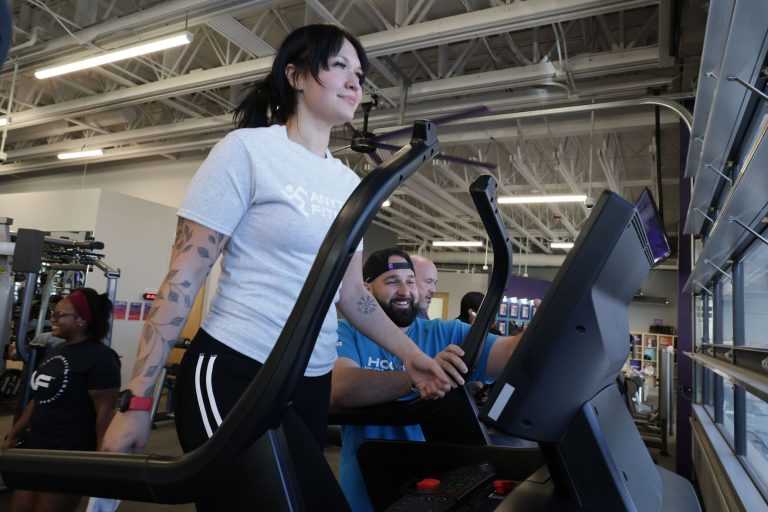
It’s easy to incorporate some mobility moves like a series of squats and lunges into your existing workout if you’re not doing them already. Consult a personal trainer at the gym for advice and demonstrations on how to maintain the correct form.
Yoga and Pilates are often helpful for improving flexibility and reducing muscle tension, keeping regular practitioners comfortably active longer. Some senior centers and communities offer chair yoga classes geared toward older participants.
Don’t expect immediate results. It takes time for your muscles and joints to build strength. Stay the course with your plan and you’ll feel the difference within a few weeks. However, if you’re not seeing any improvement after a month or so of dedicated functional mobility exercises, talk to your doctor about tests to make sure there’s nothing more serious going on.
Related Articles