Protein is the building block that keeps your body running strong. Together with fats and carbohydrates, this powerful macronutrient plays an essential role in fueling your metabolism; supporting bone, tissue and cell production; and strengthening your immune system to help ward off pesky illnesses. In addition, protein also contributes to building muscle mass and supplies your body with a steady stream of energy to function.

The magic number
So just how much protein do you need for maximum nutritional benefits? Although requirements vary by age, weight, gender, activity level, muscle mass and overall health, the U.S. Food and Drug Administration recommends that most adults strive to get about 50 grams of protein every day as part of a balanced diet. But protein is just one piece of the puzzle when it comes to achieving and maintaining a healthy weight and body mass index. High-protein, low-carb diets aren’t for everybody, and in fact, they may exacerbate certain health issues and conditions. Balancing your increased protein intake with a reasonable amount of whole (not refined) carbohydrates and heart-healthy fats is often the best way to go.
Good sources of protein
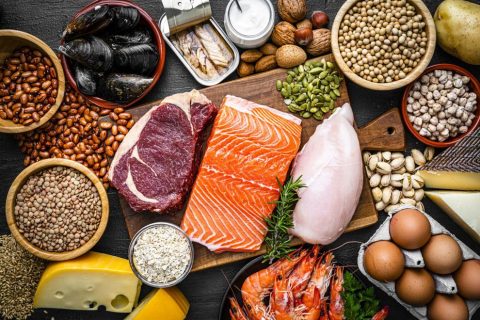
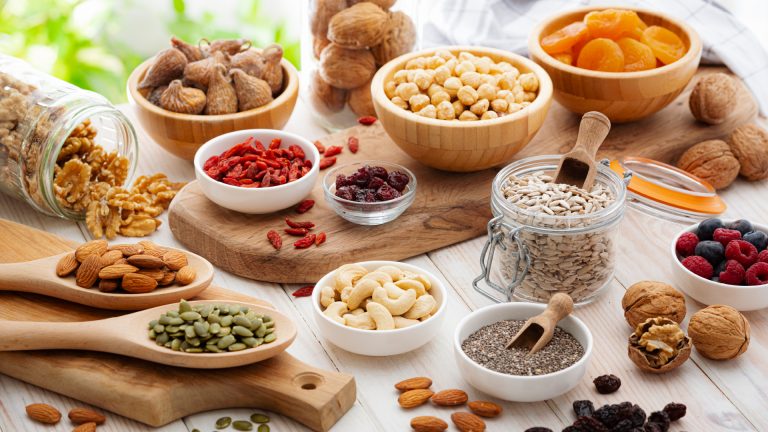
Getting hungry? Good! There are plenty of tasty ways to fulfill your daily protein requirements. Lean meats, poultry, fish and eggs are all naturally high in protein and offer a wide variety of satisfying flavors and textures to enjoy. A 3-ounce portion of Atlantic salmon or beef packs a protein punch of almost 20 grams, while a single large egg carries over 6 grams. Also, you don’t have to be a meat eater to reap the rewards of protein. Dairy products such as milk, yogurt and cheese are excellent sources, not to mention tofu, quinoa, nuts, seeds, legumes, lentils and oats. Available in a rainbow of colors, sizes and varieties, beans are an excellent way to boost your protein intake by about 7 grams per 3-ounce serving, and they’re high in fiber to boot.
Go green for protein
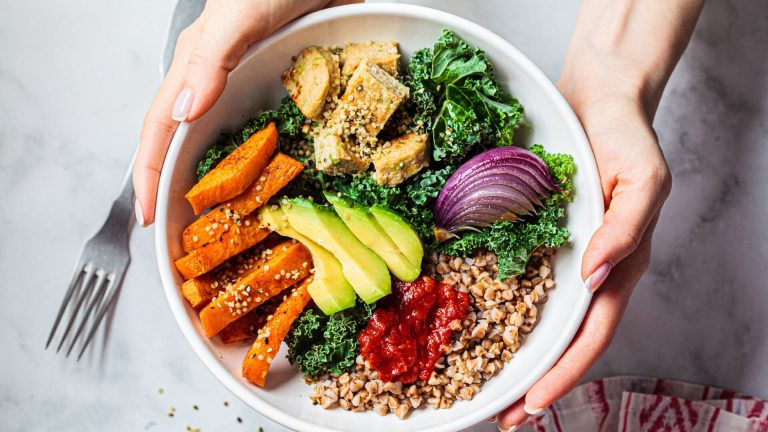
Plant-based proteins are having a moment, not just in vegan circles, but appropriate for anyone who’s interested in trying to cut back on their intake of animal products. Thanks to innovative scientific developments, it’s now possible to find delicious vegan versions of traditional meat- or dairy-driven items like sausage, cheese, burgers and milk made entirely of plant-based ingredients. Best of all, many of them still contain the same healthy amounts of protein as their animal counterparts.
Just be aware
When considering protein sources, try to avoid (or at least limit) your intake of processed meats like bacon, hot dogs, lunchmeats, chicken nuggets and other items that may be heavy with excess fat and high in cholesterol. You may want to keep a close eye on calorie counts and serving sizes as well. Even though it does contain some protein, polishing off a whole pint of ice cream every night isn’t the healthiest way to get your recommended daily allowance.