Whether you’re signing a contract or shopping for groceries, reading the fine print is always a good idea, especially when it comes to buying processed foods. The U.S. Food and Drug Administration requires nutrition labels on most packaged food items, and gaining a basic understanding of the information they reveal can guide you toward making healthier dietary choices.
Read the label: How to spot potential dangers in processed foods


Read all about it!
It’s easy to find the label — just pick up almost any packaged or canned food item and look on the back. Here, you’ll find a list of details that includes serving size, calories, fat, carbohydrates, protein, vitamin and mineral content, and other helpful nutritional data.
Any food that’s been altered in some way from its original form can technically be considered processed, although some items undergo a bigger transformation than others. Consider the differences between canned or frozen fish, soups and vegetables as compared to cereals, chips, candy and other highly processed products. (You’ll also notice a stark contrast in the food labels and ingredient lists as well.)
Trust the process?
All the information is relevant, but some items on a food label may carry more weight than others, so to speak. First, pay close attention to portion sizes, as they’re likely to be much smaller than you might expect. And no, a full-size bag of chips or an entire pint of ice cream is not a single portion. If you’re like many Americans, you’re consuming several servings in a single sitting without even realizing it, in which case, calories and carbs can add up in a hurry.
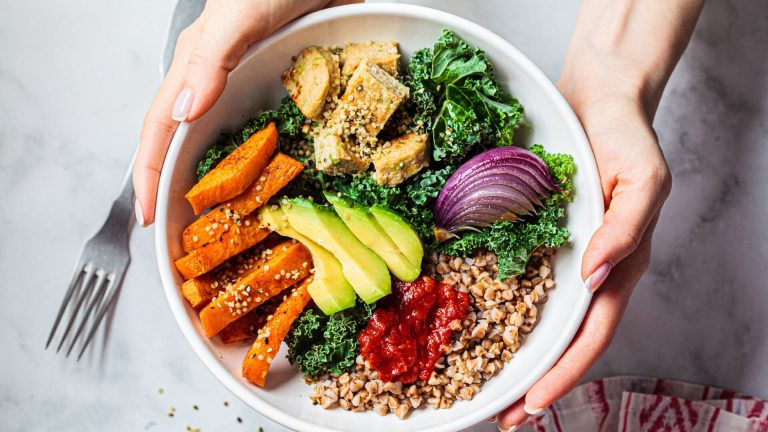
Speaking of calories and carbohydrates, those are also important items to note, and they’re not the same. “Good” calories derive from foods that offer nutritional value such as lean proteins, fruits, vegetables and whole grains, as opposed to the “bad” or empty calories you’ll find in more extensively processed items made with refined flour, sugar and fat. These don’t really offer much health value for your body. A high calorie count doesn’t automatically mean a food is bad for you. A high carbohydrate level, on the other hand, can be a more accurate indication that what you’re eating is lower in nutritional value.
Don’t forget to sneak a peek at the list of ingredients as well. If it contains lots of preservatives, artificial colors and flavorings, or a bunch of unrecognizable chemical additives you have no idea how to pronounce, it’s probably not going to be good for you.
Know your ABCs
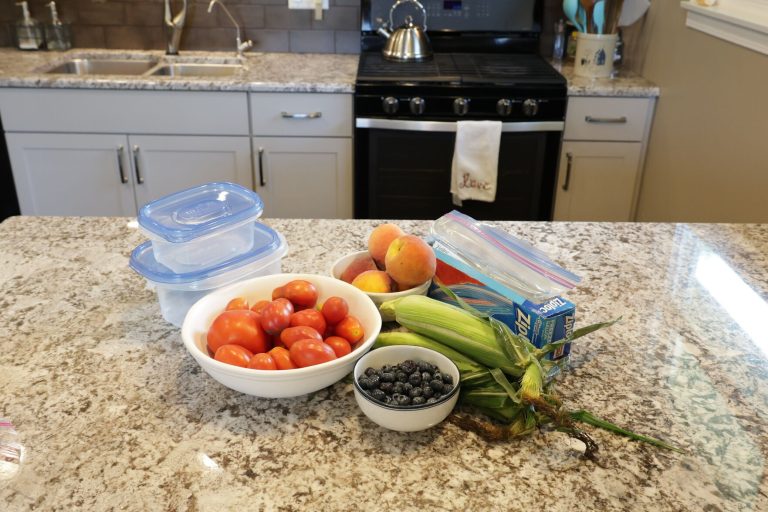
If it’s vitamins and minerals you’re after, you’re better off going with fresh produce or minimally processed frozen fruits and vegetables. Canned varieties can be a decent alternative if fresh isn’t an option (plus, they carry a longer shelf life). A good rule of thumb to remember — the less processing food receives, the more likely it is to retain its health benefits. That said, some cereals, orange juice, milk and dairy products do get fortified with additional nutrients during processing.
Related Articles